Why the Asian Trading Session Matters More Than Most Traders Realize | Orovio Capital Group Blog
/Blog/Why the Asian Trading Session Matters More Than Most Traders Realize
How the Market Really Moves: Sessions, Liquidity, and Participation
Why the Asian Trading Session Matters More Than Most Traders Realize
Orovio Capital Group
January 19, 2026
The Asian trading session is often misunderstood. Learn how balance, liquidity conditioning, and reference levels formed during Asia shape price behavior in London and New York.
Introduction: The Most Overlooked Session
Among retail traders, the Asian trading session is frequently dismissed as slow, unproductive, or irrelevant. Many assume that because volatility is lower, opportunity does not exist. This misconception causes traders to ignore one of the most important structural phases of the trading day.
Institutions do not see Asia as a time for aggressive price movement. Instead, they use it for preparation, balance, and positioning. What happens during the Asian session often defines how price behaves once liquidity enters the market during London and New York.
The Purpose of the Asian Session
The Asian session is not designed for expansion. It is designed for control. Lower participation and reduced volatility create a stable environment where large market participants can operate without disrupting price.
During Asia, institutions focus on:
Managing existing risk exposure
Adjusting inventory
Quietly accumulating or distributing positions
Observing market acceptance levels
This controlled behavior is intentional and highly valuable.
Low Volatility Is a Feature, Not a Flaw
The Asian session typically produces narrower ranges and slower price movement. Retail traders often see this as a disadvantage. In reality, this environment provides clarity.
This stability becomes the foundation for later expansion.
How Asia Creates the Framework for the Trading Day
Price action during the Asian session frequently sets the boundaries for the entire day. Highs, lows, and midpoints formed during this period often act as reference levels once volume increases.
These levels are important because:
They define balance
They highlight areas of acceptance and rejection
They attract liquidity later in the day
Once London opens, price is evaluated relative to this Asian framework.
The Concept of Balance
One of the most critical lessons from the Asian session is balance. Markets rarely expand without first establishing equilibrium. Asia provides this equilibrium by compressing price into a defined range.
Balance allows institutions to:
Assess market sentiment
Measure risk efficiently
Prepare for directional decisions later
Without balance, expansion becomes inefficient and unstable.
Reading Price Relative to Asian Equilibrium
When the London session begins, institutions do not trade blindly. They assess where price is positioned relative to the Asian range and its midpoint.
Key contextual observations include:
Holding above Asian equilibrium may suggest bullish pressure
Holding below equilibrium may suggest bearish pressure
Repeated acceptance near extremes signals potential liquidity targets
These are not direct trade signals. They are context clues that help frame expectations.
Why Breakout Trading Fails During Asia
Many retail traders attempt to trade the Asian session using breakout strategies. This approach often results in false moves, stop-outs, and frustration.
The reason is simple:
Asia is not designed for expansion
Liquidity is limited
Institutions are not committing capital yet
Professional traders understand that Asia provides information, not opportunity.
Liquidity Conditioning: Asia’s Hidden Role
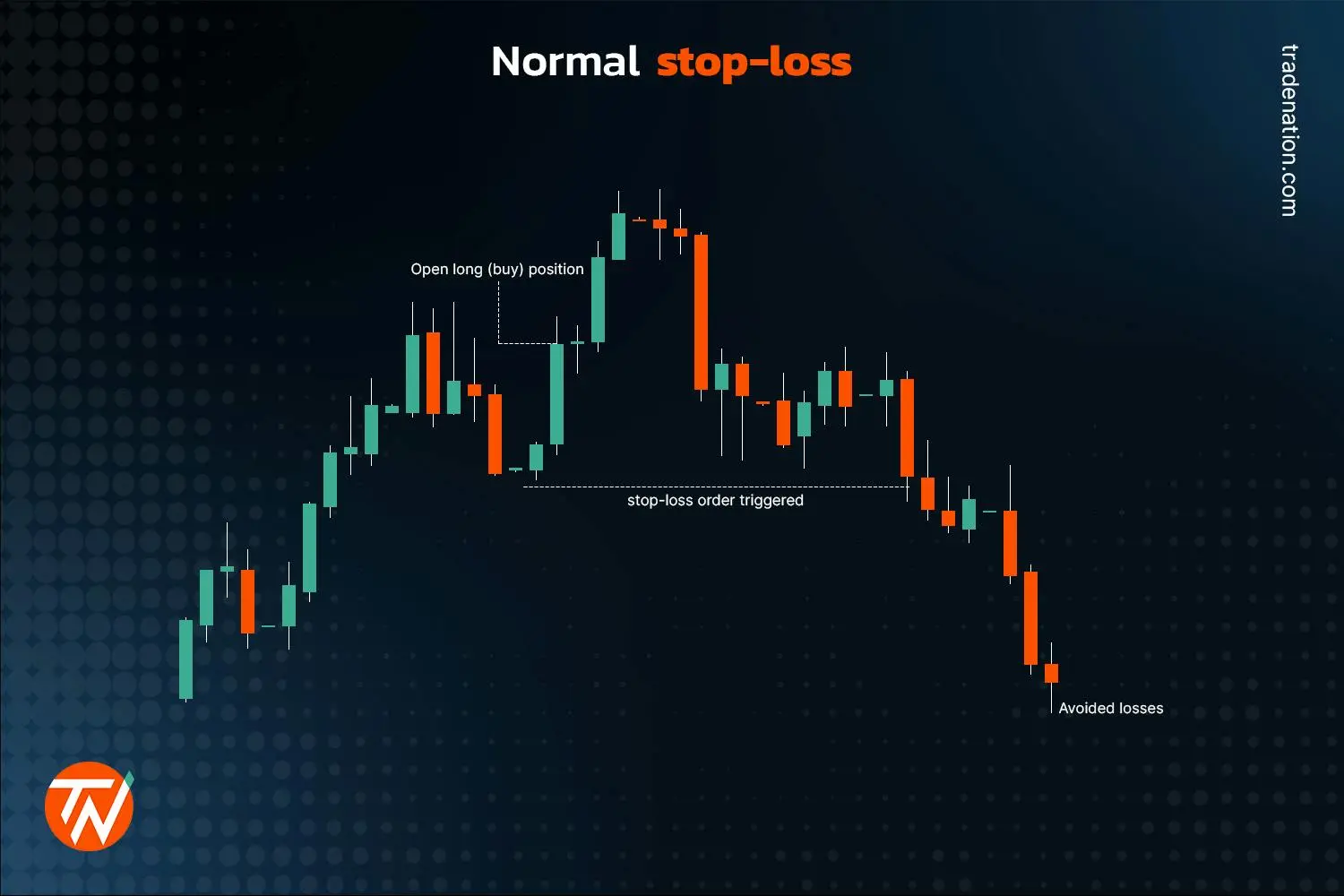
Another critical function of the Asian session is liquidity conditioning. As price moves within a narrow range, resting orders and stop-losses naturally build around the session’s highs and lows.
These areas become important because:
They act as future liquidity pools
They attract price once participation increases
They often become targets during London or New York
Ignoring Asia means ignoring where liquidity is likely to be taken later.
What Traders Gain by Studying the Asian Session
By studying Asia, traders gain valuable insight into:
Potential liquidity targets
Market balance and imbalance
Directional bias context
Expectations for upcoming sessions
Without this information, traders are reacting blindly to price movement.
Professional Trading Is About Timing
Professional trading is not about constant activity. It is about executing when conditions support efficient entry and exit.
Institutions understand that:
Asia prepares the market
London delivers expansion
New York resolves or reacts
Asia’s role is preparation, not performance.
Conclusion: Context Over Prediction
Traders who learn to read the Asian session correctly stop asking what the market will do next. Instead, they understand where price is positioned and why.
Asia provides structure, balance, and context. Those who ignore it trade without a framework. Those who respect it trade with clarity, patience, and purpose.
About Orovio Capital Group
A quantitative trading firm delivering institutional-grade trades powered by proprietary models and data-driven analytics, replicated in real time across client accounts.