The Real Force Behind Every Market Price Move | Orovio Capital Group Blog
/Blog/The Real Force Behind Every Market Price Move
How the Market Really Moves: Sessions, Liquidity, and Participation
The Real Force Behind Every Market Price Move
Orovio Capital Group
January 22, 2026
Price does not move because of indicators or patterns. It moves to access liquidity. This guide explains how liquidity drives price action and how professional traders view the market.
Liquidity Is the Only Thing That Truly Moves Price
Many traders spend years studying indicators, chart patterns, and complex strategies, yet still struggle to answer one fundamental question: why does price actually move?
From an institutional and professional trading perspective, the answer is far simpler than most retail traders expect. Price moves to facilitate liquidity.
Markets are not driven by indicators, trendlines, or patterns in isolation. Those tools may help describe price behavior, but they do not cause price to move. The true driver behind every meaningful price movement is the market’s need to match buyers and sellers efficiently—especially when large amounts of capital are involved.
What Is Liquidity in Financial Markets?
Liquidity refers to the availability of resting buy and sell orders at different price levels. In simple terms, it answers the question:
How easily can large orders be executed without significantly impacting price?
For small retail traders, liquidity often feels invisible. A market order fills instantly, and price appears to move smoothly. But for institutions managing millions or billions in capital, liquidity is everything.
Large participants cannot enter or exit positions randomly. They require enough opposing orders to absorb their trades. When liquidity is insufficient, price must move to find it.
Markets exist to match buyers and sellers. When there are enough willing counterparties at a given price, transactions occur smoothly. But when liquidity dries up, execution becomes difficult.
In these situations, price is forced to move toward areas where orders are likely to exist. This movement is not emotional, manipulative, or random—it is structural.
Price does not move because:
An indicator crossed
A pattern “completed”
A trendline broke
Price moves because the market needs more orders to facilitate execution.
Where Liquidity Naturally Accumulates
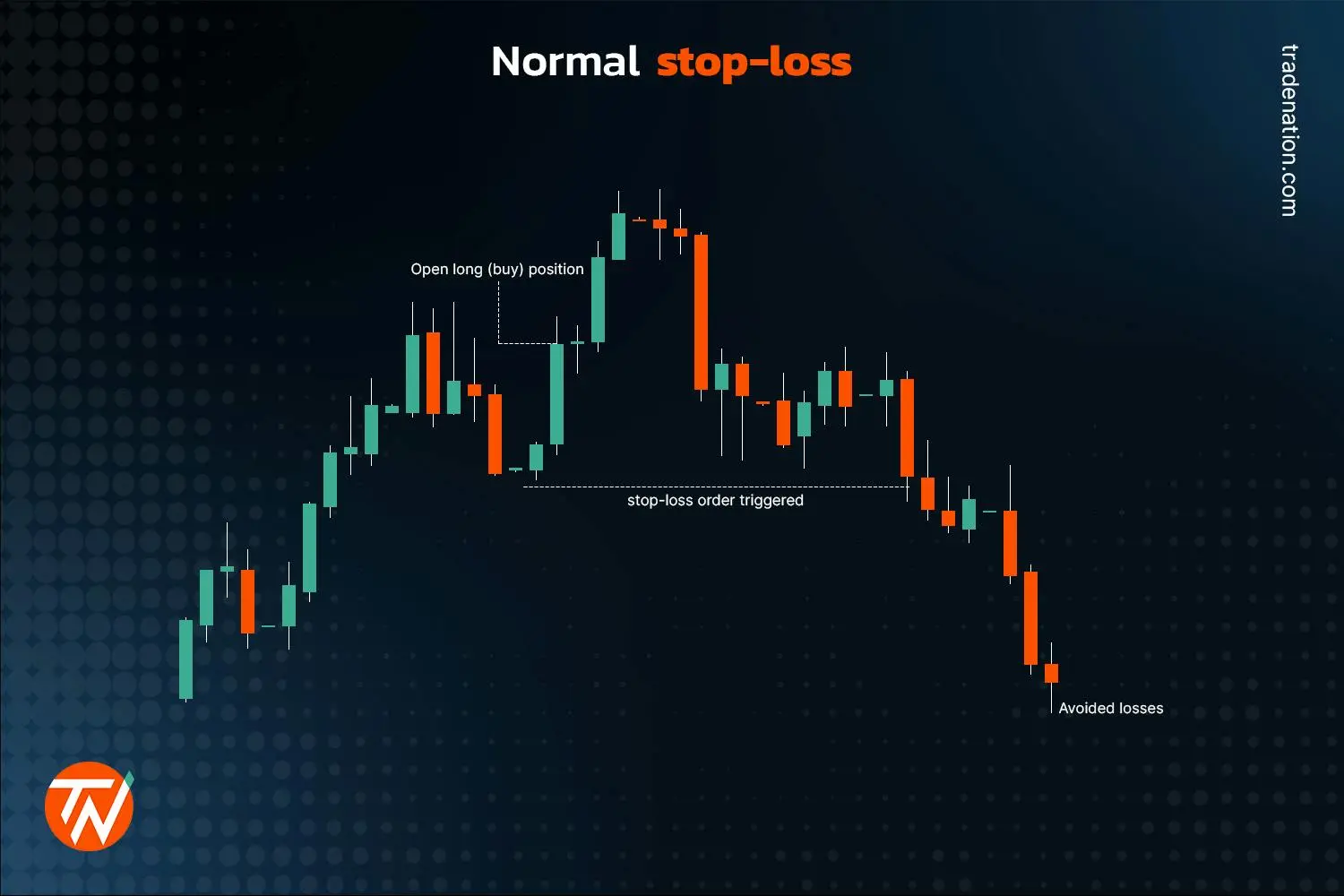
Liquidity tends to concentrate around obvious and widely observed price levels. These are areas where traders commonly place stop-losses, take-profits, and pending orders.
Some of the most common liquidity pools include:
Equal highs
Equal lows
Range highs and range lows
Session highs and lows
Previous day high and low
Previous week or month extremes
These levels are not powerful because they are “support” or “resistance.” They are powerful because they attract orders.
Where orders exist, liquidity exists. Where liquidity exists, price is drawn.
The Institutional Need for Liquidity
Institutions cannot deploy large amounts of capital without counterparties. If a fund wants to buy aggressively, it needs sellers. If it wants to sell, it needs buyers.
This is why price is often driven toward areas where retail traders have placed stops or pending orders. These orders provide the liquidity institutions need to execute their positions.
This behavior explains a common market phenomenon:
Price breaks above a high
Stops are triggered
Liquidity is absorbed
Price reverses sharply
This is not manipulation. It is liquidity-seeking behavior.
Why Price Often Breaks Highs and Lows
One of the most misunderstood aspects of price action is why markets frequently move beyond obvious highs or lows before reversing.
Retail traders often interpret these moves as:
Stop-hunts
Fake breakouts
Market manipulation
In reality, these moves occur because highs and lows contain concentrated liquidity. Stops, breakout orders, and pending entries cluster there.
From a professional perspective, these levels are not barriers. They are targets.
Price moves beyond highs or lows because that is where liquidity is available. Once liquidity is taken, price no longer has a reason to stay there.
Liquidity Explains Movement, Not Direction
One critical misconception is believing that liquidity alone predicts market direction. It does not.
Liquidity explains:
Why price moves
Where price is likely to go next
It does not guarantee:
Continuation
Reversal
Trend direction
Once liquidity is accessed, price may:
Reverse sharply
Consolidate
Continue in the same direction
The outcome depends on broader market context, positioning, and higher-timeframe structure.
Why Retail Traders Misinterpret Liquidity
Retail traders are often taught to focus on:
Indicators
Patterns
Entry signals
As a result, they ask the wrong question:
Where will price go next?
Professional traders ask a different question:
Where is the liquidity, and how might price reach it?
This shift in perspective changes everything. Markets stop appearing random and start revealing a consistent structural logic.
Liquidity and Market Structure
Liquidity analysis should never be used in isolation. It becomes powerful only when combined with:
Market structure
Session timing
Higher-timeframe context
Risk management
For example:
London and New York sessions often seek liquidity created during Asia
Price reacts differently before and after major session opens
Higher-timeframe bias influences whether liquidity grabs lead to reversals or continuations
Liquidity is the mechanism, not the full strategy.
Why Professionals Wait for Price to Reach Liquidity
Professional traders do not chase price. They wait.
They understand that price naturally moves from one liquidity pool to another. Entering trades far from liquidity often means poor risk-to-reward and unnecessary exposure.
Instead, professionals wait for:
Price to approach a liquidity area
Orders to be filled
Market reaction to reveal intent
Only then do they engage.
Markets Move to Areas of Interest, Not Lines
Charts are often cluttered with lines, indicators, and patterns. But markets do not move because a line was drawn.
Markets move because:
Orders exist
Liquidity is needed
Execution must occur
Liquidity connects institutional intent with price movement. Once this is understood, market behavior becomes far more logical and repeatable.
Final Thoughts: Rethinking How You View the Market
Liquidity is not a trading gimmick or a hidden trick. It is the foundation of how markets operate.
When you stop asking:
Which indicator should I use?
And start asking:
Where is the liquidity?
Your understanding of price action changes permanently.
Markets do not move randomly. They move with purpose. And that purpose is liquidity.
About Orovio Capital Group
A quantitative trading firm delivering institutional-grade trades powered by proprietary models and data-driven analytics, replicated in real time across client accounts.