How the Market Really Moves: Trading Sessions, Liquidity, and Institutional Participation | Orovio Capital Group Blog
/Blog/How the Market Really Moves: Trading Sessions, Liquidity, and Institutional Participation
How the Market Really Moves: Sessions, Liquidity, and Participation
How the Market Really Moves: Trading Sessions, Liquidity, and Institutional Participation
Orovio Capital Group
January 19, 2026
Discover how financial markets truly move through liquidity, institutional participation, and global trading sessions. Learn how Asia, London, and New York shape volatility and price direction.
Introduction: Why Markets Are Not Random
Financial markets are often described as chaotic, unpredictable, or driven by indicators and chart patterns. In reality, markets operate with a clear internal structure. Price does not move randomly, and it does not move because of indicators alone. It moves because large market participants enter and exit positions—and they can only do so when sufficient liquidity is available.
To understand how the market really moves, traders must shift their focus away from indicators and instead study participation, liquidity, and timing. These elements explain why price behaves differently throughout the trading day and why certain hours consistently produce better trading opportunities than others.
The Market as a 24-Hour Global Auction
At its core, the market functions as a continuous 24-hour auction. Buyers and sellers compete for execution, and price adjusts to facilitate transactions. When liquidity is abundant, price moves efficiently. When liquidity is scarce, price slows, consolidates, or becomes erratic.
However, liquidity is not evenly distributed across the trading day. This uneven distribution is what creates structure in the market.
Key principles of the auction process:
Price moves to attract liquidity
Large institutions require volume to execute trades
Understanding this auction dynamic is essential for timing trades correctly.
Why Trading Sessions Matter
The global trading day is divided into three primary sessions:
Asian Session
London Session
New York Session
Each session introduces different participants with different objectives, capital sizes, and risk constraints. As participation changes, so does market behavior.
Traders who ignore session dynamics often struggle because they treat all hours of the day equally. Institutions do the opposite—they restrict trading to specific sessions as a form of risk management.
Asian Session: Balance, Accumulation, and Reference Levels
The Asian session is frequently misunderstood, especially by retail traders who expect strong directional moves. In reality, institutions rarely initiate major trends during this period.
Instead, the Asian session is primarily used to:
Manage existing exposure
Accumulate or distribute positions quietly
Establish daily high and low reference levels
Create a balanced price range
As a result, price action during Asia often remains range-bound with lower volatility. This range later becomes important for London and New York session trades.
London Session: Institutional Commitment and Expansion
The London session marks the beginning of serious institutional participation. This is where capital commits to the market and direction becomes clearer.
Typical characteristics of the London session include:
Sharp increase in volume and liquidity
Breakouts from the Asian session range
Strong directional price moves
High-probability trading setups
Because of its liquidity and consistency, London is considered the most important session for intraday traders. Many of the day’s largest moves originate here.
New York Session: Reaction, Liquidity Capture, and Resolution
The New York session introduces a new wave of participants, including U.S. institutions and banks. Rather than initiating moves blindly, New York often reacts to what London has already done.
Price behavior during New York may:
Extend the existing London trend
Reverse direction after liquidity is captured
Consolidate as the market approaches the daily close
This session is critical for understanding whether a move has genuine continuation potential or if it is nearing exhaustion.
Why Retail Traders Often Struggle
One of the biggest mistakes retail traders make is ignoring session timing. Many trade during low-liquidity hours, chase late moves, or overtrade without considering institutional behavior.
Common retail trading mistakes include:
Trading during low-volume periods
Entering after major moves are already complete
Overusing indicators without context
Treating all sessions as equal
Institutions avoid these mistakes by trading only when liquidity supports execution and by stepping aside when conditions are unfavorable.
Liquidity: The True Driver of Price
Liquidity is the fuel that allows price to move. Without it, even strong technical setups fail.
Price seeks liquidity because institutions need opposing orders to enter and exit positions. This is why price often moves toward:
Previous highs and lows
Session highs and lows
Areas of consolidation
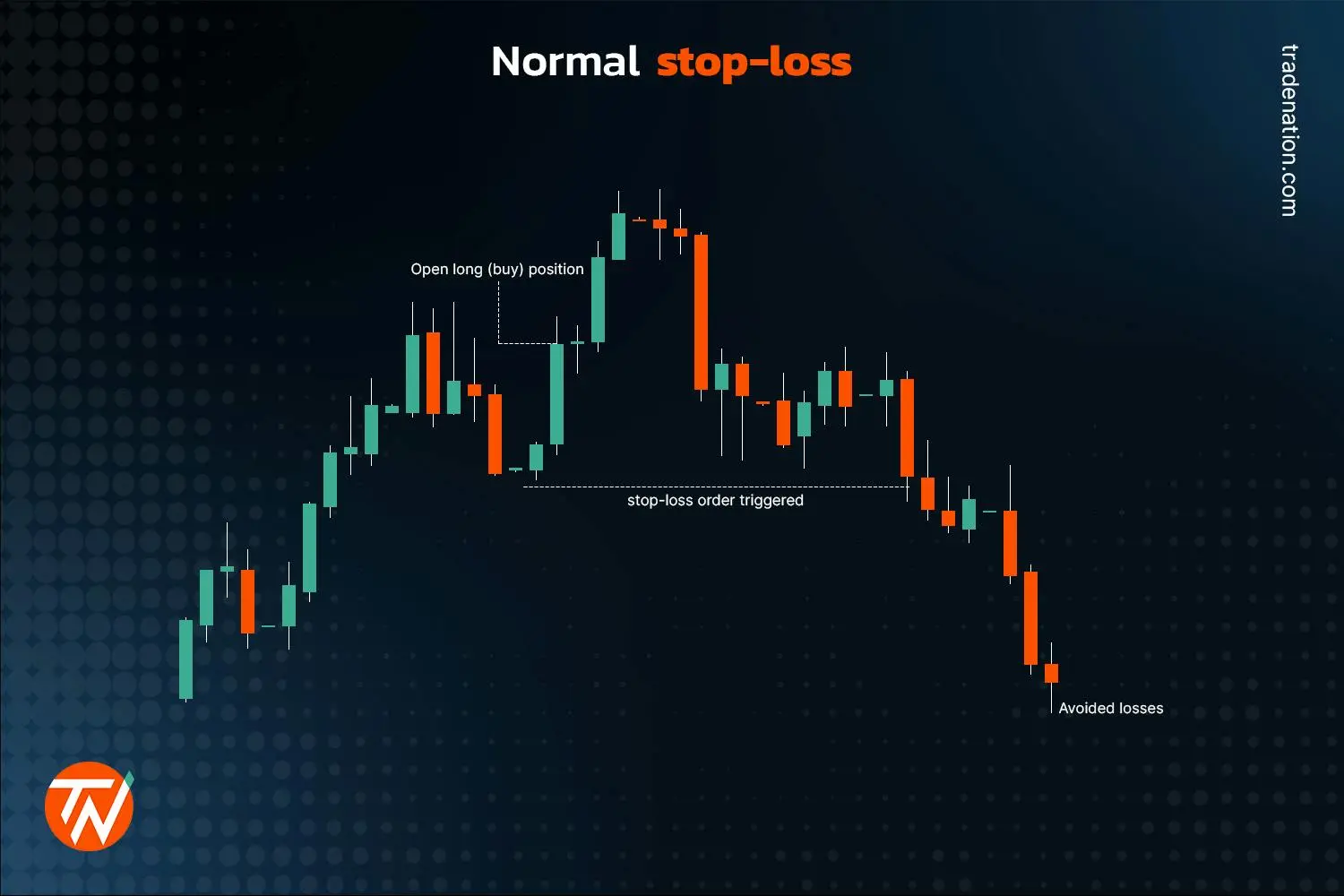
Obvious retail stop zones
Understanding liquidity helps traders anticipate where price is likely to move next.
Key Takeaways for Traders
To trade effectively, it is essential to align with market structure rather than fight it.
Key lessons to remember:
Markets move because of participation, not indicators
Markets are not random. They move with structure, intention, and purpose. By understanding trading sessions, liquidity cycles, and institutional participation, traders can dramatically improve their decision-making and reduce unnecessary risk.
Instead of trading all day, focus on when the market is most active and why price is moving. This shift in perspective often marks the transition from random trading to consistent execution.
About Orovio Capital Group
A quantitative trading firm delivering institutional-grade trades powered by proprietary models and data-driven analytics, replicated in real time across client accounts.