Equal Highs and Lows: Why Price Action Is Not Random | Orovio Capital Group Blog
/Blog/Equal Highs and Lows: Why Price Action Is Not Random
How the Market Really Moves: Sessions, Liquidity, and Participation
Equal Highs and Lows: Why Price Action Is Not Random
Orovio Capital Group
January 22, 2026
Equal highs and equal lows are not random price behavior. They reveal where liquidity accumulates and why markets often spike, reverse, or fake out retail traders.
Equal Highs, Equal Lows, and the Myth of Random Price Action
To many traders, price action often looks chaotic. Sudden spikes, sharp reversals, and repeated tests of the same levels can create the impression that markets move randomly or irrationally. This belief is especially common among newer traders who rely heavily on indicators or textbook chart patterns.
In reality, price behavior is far more structured than it appears. Much of what seems random is simply misunderstood liquidity behavior. One of the clearest and most consistent examples of this is found in equal highs and equal lows.
What Are Equal Highs and Equal Lows?
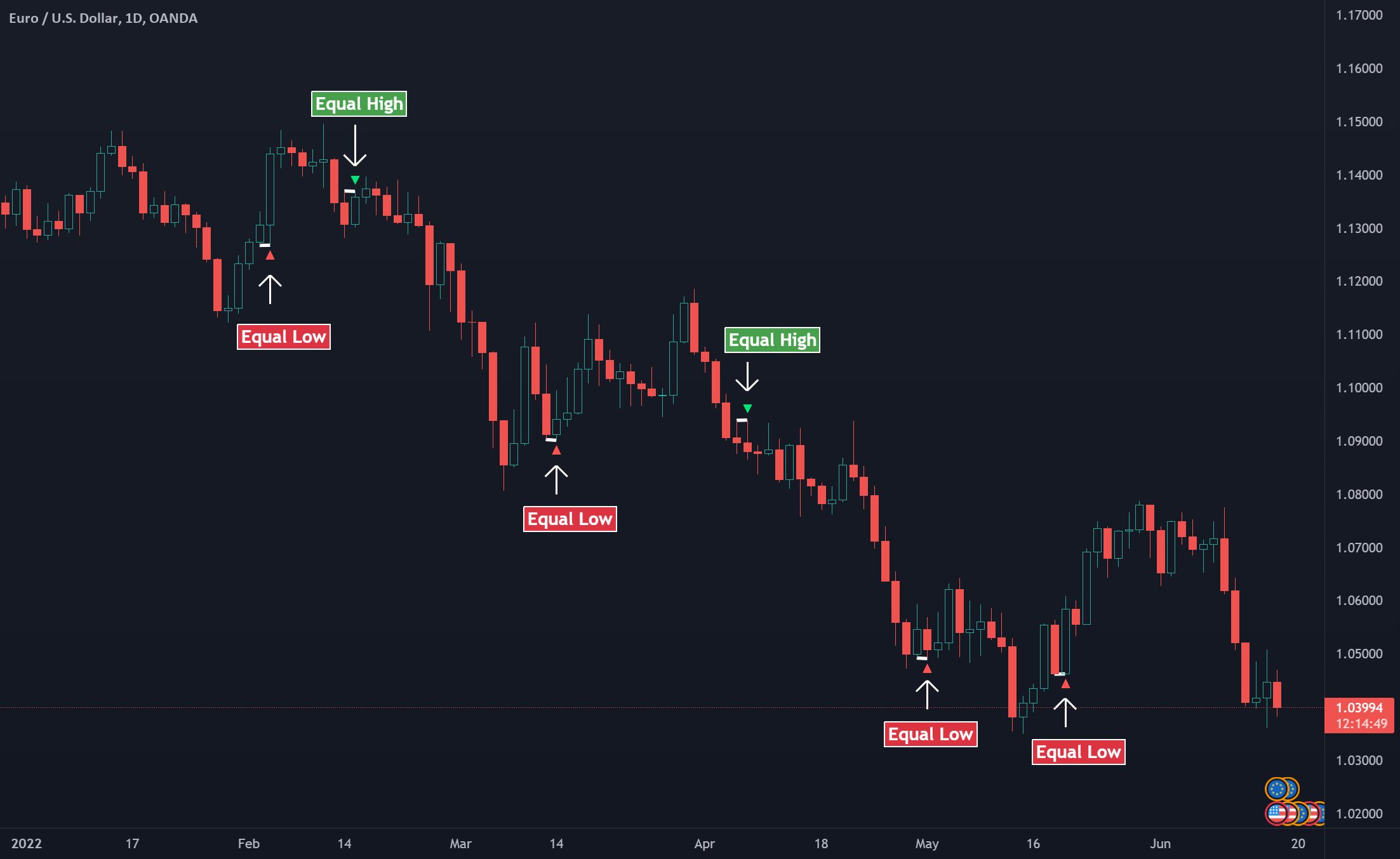
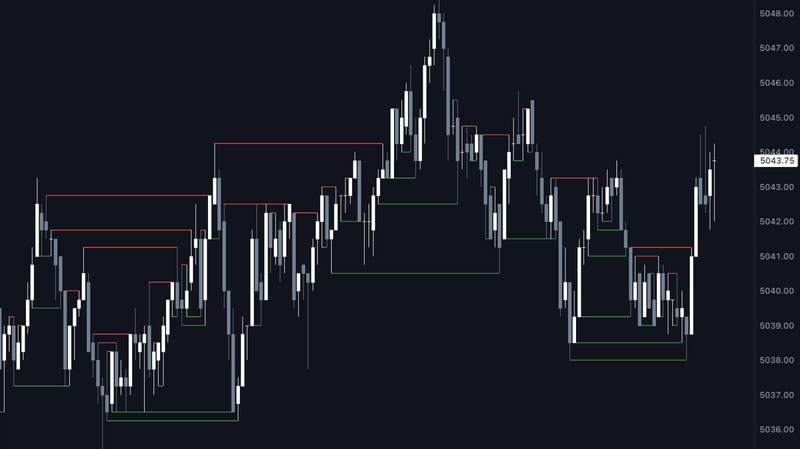
Equal highs and equal lows occur when price tests the same level multiple times without decisively breaking through.
Equal highs form when price repeatedly fails to move higher
Equal lows form when price repeatedly fails to move lower
From a traditional retail perspective, these areas are usually labeled as:
While this interpretation is common, it only scratches the surface of what these levels truly represent.
The Institutional View: Liquidity, Not Support or Resistance
From an institutional perspective, equal highs and equal lows are not barriers. They are liquidity pools.
Each time price fails to break a level, traders place:
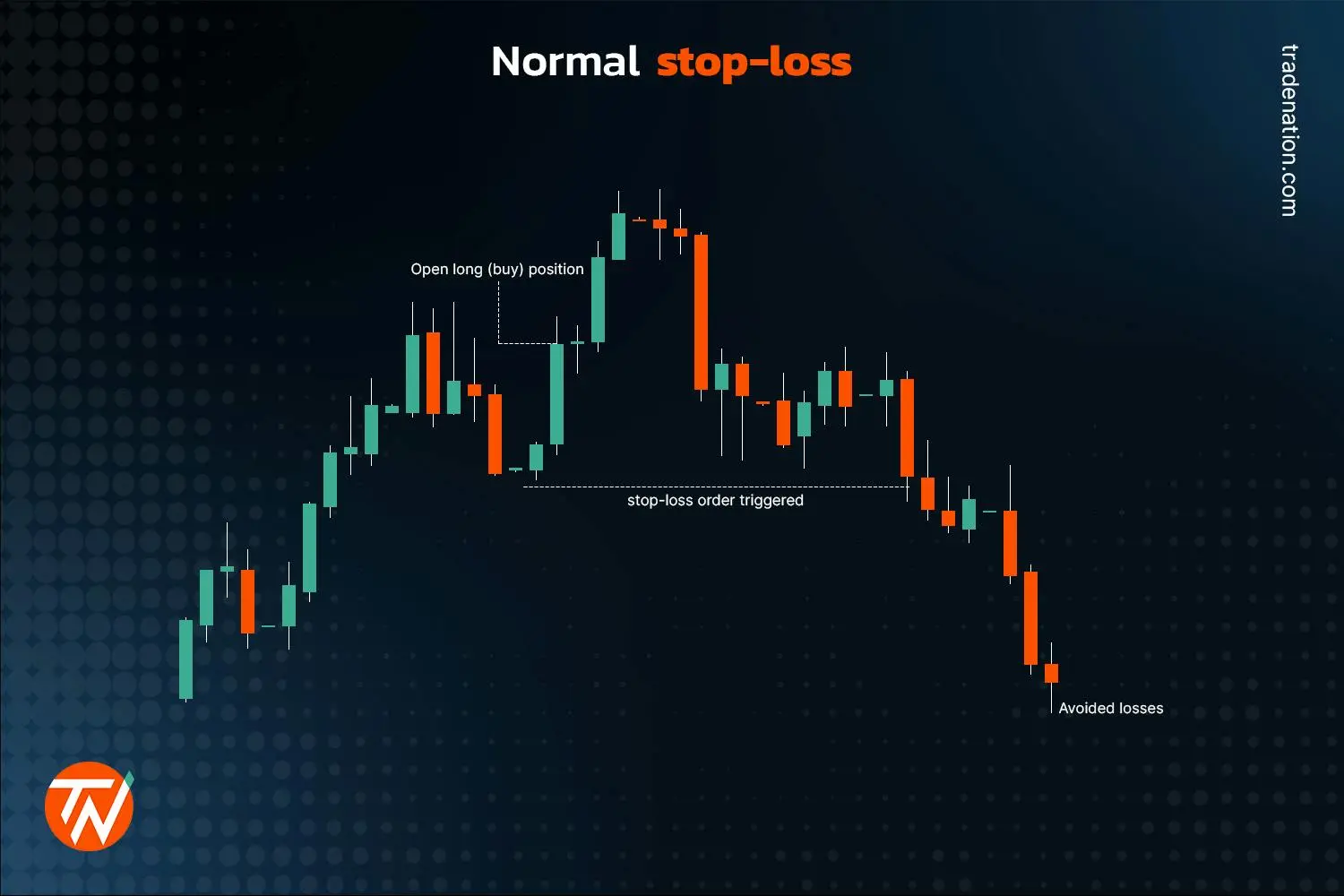
Stop losses just beyond the highs or lows
Pending breakout orders above or below the level
Limit orders anticipating reversals
Over time, this activity creates a concentration of resting orders. This concentration is exactly what large market participants need.
Institutions cannot execute large positions in thin markets. They require liquidity. Equal highs and equal lows naturally provide it.
Why Liquidity Accumulates at Equal Levels
Liquidity builds at equal highs and lows because human behavior is predictable.
Retail traders are taught to:
Sell resistance
Buy support
Place stops just beyond obvious levels
Enter breakouts at clean highs or lows
As more traders act on these ideas, orders cluster in the same locations. The result is a visible and reliable liquidity pool.
Markets do not create these levels randomly. They form as a byproduct of repeated interaction and collective positioning.
Why Price Eventually Trades Into These Levels
When price finally moves into or through an area of equal highs or equal lows, the move is rarely accidental.
From a liquidity-based perspective, price is doing exactly what it is designed to do:
Access resting orders
Facilitate execution
Match buyers and sellers efficiently
This is why price often:
Pushes slightly beyond the level
Triggers stop losses
Activates breakout orders
Then reacts sharply
The objective is not necessarily to continue higher or lower. The objective is execution.
The Truth Behind “False Breakouts”
Retail traders often describe these moves as:
Fake breakouts
Stop hunts
Market manipulation
While the experience feels frustrating, the explanation is structural rather than malicious.
When price breaks an equal high or low and then reverses, it is often because:
Liquidity has been taken
Institutional orders have been filled
The market no longer needs to remain at that price
Once the purpose of the move is fulfilled, price is free to respond to broader market forces.
Equal Highs and Lows Do Not Predict Direction
One of the most important distinctions traders must understand is this:
Equal highs and equal lows do not predict direction. They explain behavior.
After liquidity is accessed, price may:
Reverse sharply
Consolidate
Continue in the same direction
The outcome depends on:
Higher-timeframe bias
Market structure
Session timing
Overall participation
Expecting equal highs or lows to automatically lead to reversals or breakouts is a misunderstanding of their role.
Why Professionals Wait for Liquidity to Be Taken
Professional traders rarely enter trades simply because a level exists.
Instead, they wait for:
Price to trade into liquidity
Orders to be triggered
The market’s reaction to reveal intent
This patience allows them to:
Avoid premature entries
Improve risk-to-reward
Trade with confirmation rather than assumption
The key is not the level itself, but how price behaves after liquidity is accessed.
The Role of Context in Liquidity Analysis
Equal highs and equal lows are most effective when analyzed within a broader framework.
Important contextual factors include:
Session timing (Asia, London, New York)
Market structure (trend, range, transition)
Higher-timeframe bias
Previous liquidity events
For example:
London session may seek liquidity formed during Asia
New York often reacts to London session highs or lows
Higher-timeframe trends influence whether liquidity grabs lead to continuations or reversals
Institutions do not trade equal highs and lows in isolation. They use them as reference points within a structured execution model.
From Rigid Levels to Areas of Interest
One of the biggest mindset shifts for traders is learning to stop treating equal highs and lows as rigid lines.
Professionals view them as:
Zones of interest
Areas where participation is likely
Locations where decisions are made
This shift removes the emotional frustration associated with “failed” setups and replaces it with a more logical understanding of market behavior.
Why Markets Are Not Random
What appears random is often just incomplete analysis.
Markets respond to:
Order flow
Liquidity availability
Execution requirements
Equal highs and equal lows are one of the clearest expressions of this process. They reveal where orders have accumulated and where price is likely to react.
Once traders understand this, market behavior becomes far more consistent and understandable.
Final Thoughts: Seeing Equal Levels Through a Professional Lens
Equal highs and equal lows are not tricks or traps. They are natural outcomes of how markets function at scale.
When traders stop asking:
Why did price fake out?
And start asking:
Where was the liquidity, and how was it accessed?
Their entire perception of price action changes.
Markets are not random. They are structured, purposeful, and driven by liquidity. Equal highs and equal lows simply make that structure visible.
About Orovio Capital Group
A quantitative trading firm delivering institutional-grade trades powered by proprietary models and data-driven analytics, replicated in real time across client accounts.